Outdoors
Scottish Outdoor Access Code
Scotland's access rights are among the broadest anywhere, but they come with responsibilities; here is what the law allows and where it stops.
In an emergency in the hills or at the coast call 999: ask for the police and mountain rescue in the hills, the coastguard at the coast. Check the forecast and official advice before you set out.
In this guide
Scotland gives everyone a right of access to most land and inland water under the Land Reform (Scotland) Act 2003, but only when people use those rights responsibly, as set out in the Scottish Outdoor Access Code. The right is broad, but it is not a free-for-all.
What the law gives you and where it stops
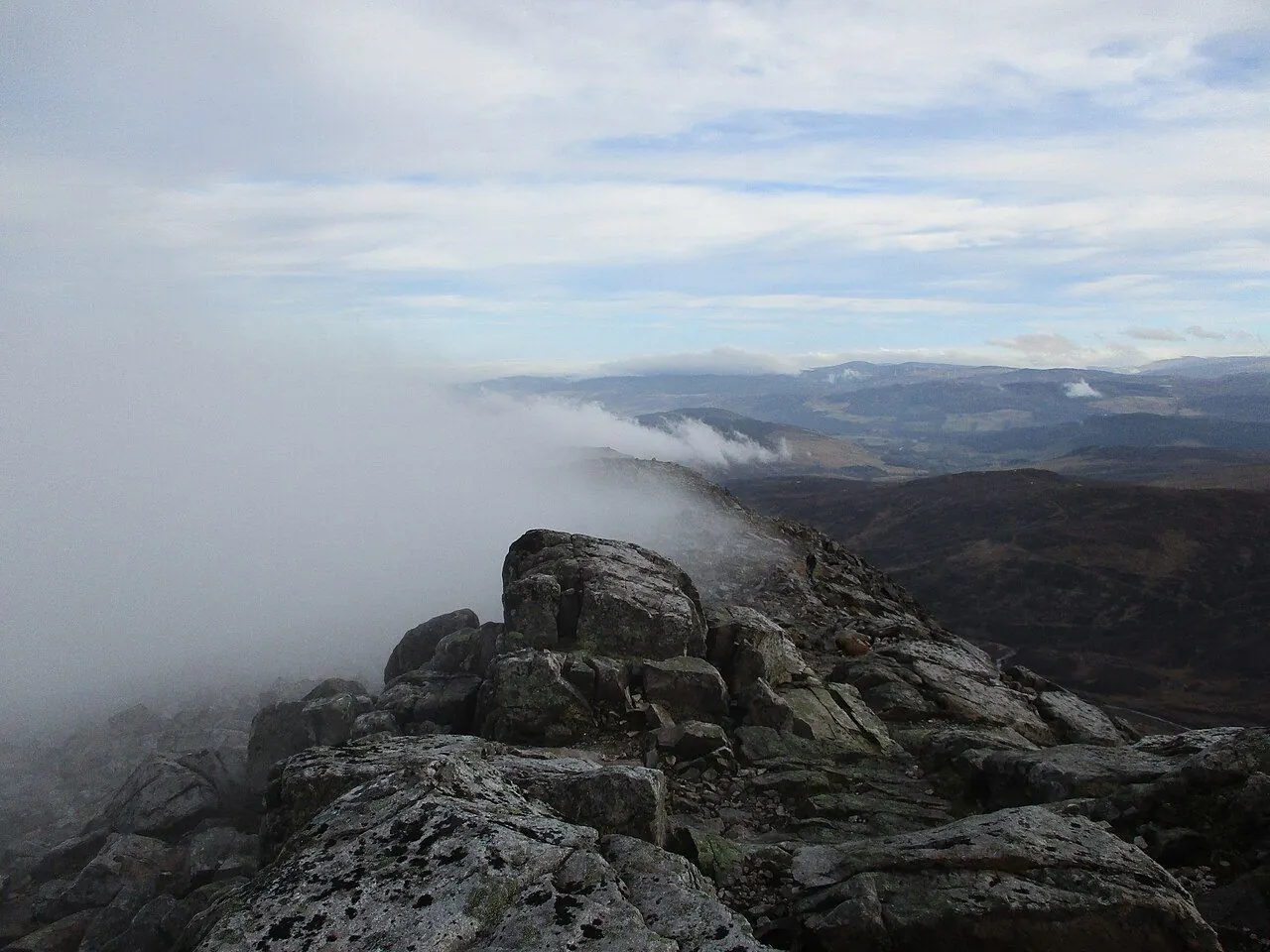
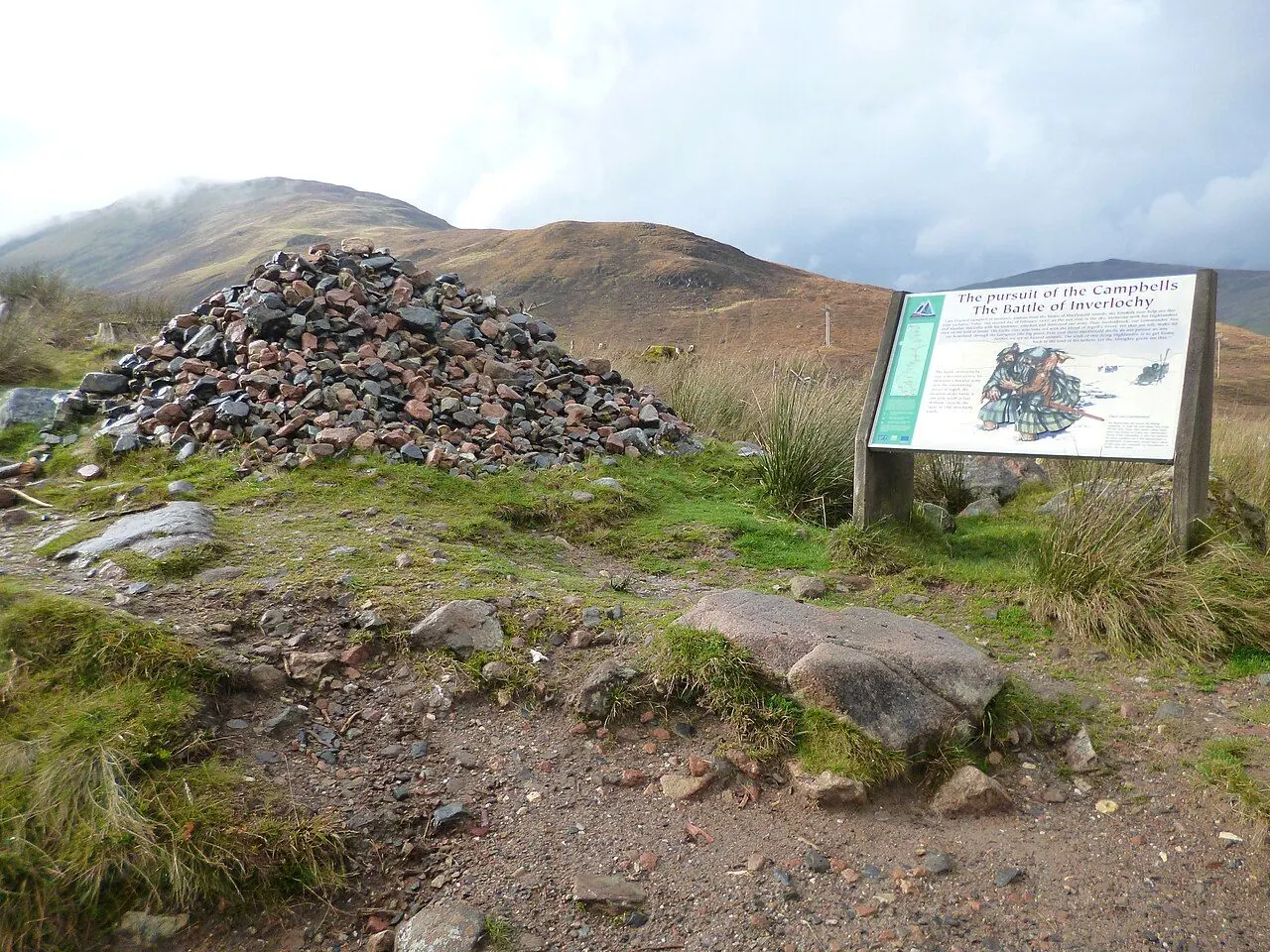
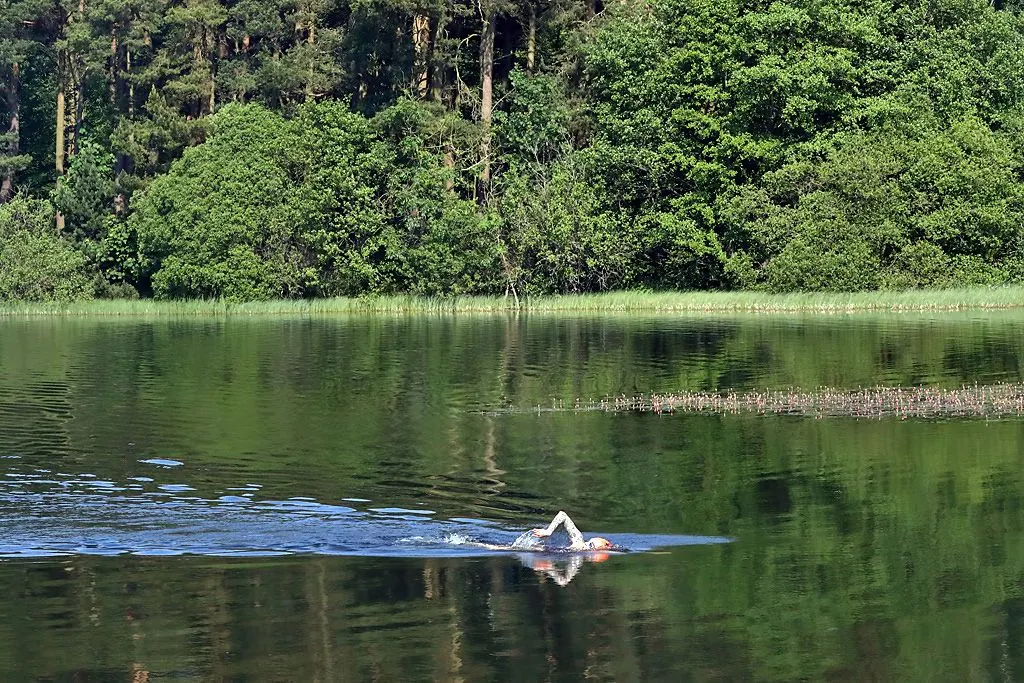
The Act created a statutory right of access that applies to most land and inland water, whatever your age or ability, and placed a duty on Scottish Natural Heritage (now NatureScot) to draw up the Code. Access rights cover hills and moors, forests and woods, beaches and the coast, rivers and lochs, parks and some types of farmland. They include walking, cycling, climbing, horse riding, kayaking, swimming, wild camping and watching wildlife, but not shooting, fishing or access with motor vehicles.
The rights do not apply everywhere. They do not cover houses and gardens, other buildings and their yards or compounds, school grounds, places which charge for entry, or fields where crops are growing, although you can usually walk round the edge of a crop field.
How to use the right responsibly
The Code rests on three key principles: "Respect the interests of others", "Care for the environment" and "Take responsibility for your own actions". In practice that means leaving gates as you find them, taking all your litter home, and keeping out of the way of farm and forestry work.
- Dogs: keep your dog under proper control and never let it chase or worry livestock. Do not take a dog into a field with young animals, and keep it on a short lead or close at heel near farm animals. From April to July, a short lead or close heel is also needed in places such as moorland, forests, grassland and loch shores, where birds nest on the ground. Pick up after your dog.
- Cycling and horse riding: both are covered by access rights, but take care on paths shared with walkers and avoid damaging wet, soft ground.
- Fires: use a stove for cooking where possible. The Code says not to light an open fire, including in fire bowls or barbecues, during prolonged dry weather or near forests, farmland, peaty ground, buildings or historic sites.
Camping, wild camping and local restrictions
Wild camping is part of access rights, but the Code describes it as "lightweight camping in a tent, in small numbers and for no more than two or three nights in one place". Avoid enclosed fields of crops or farm animals, keep well away from buildings, roads and historic structures, and leave the ground as if you were never there.
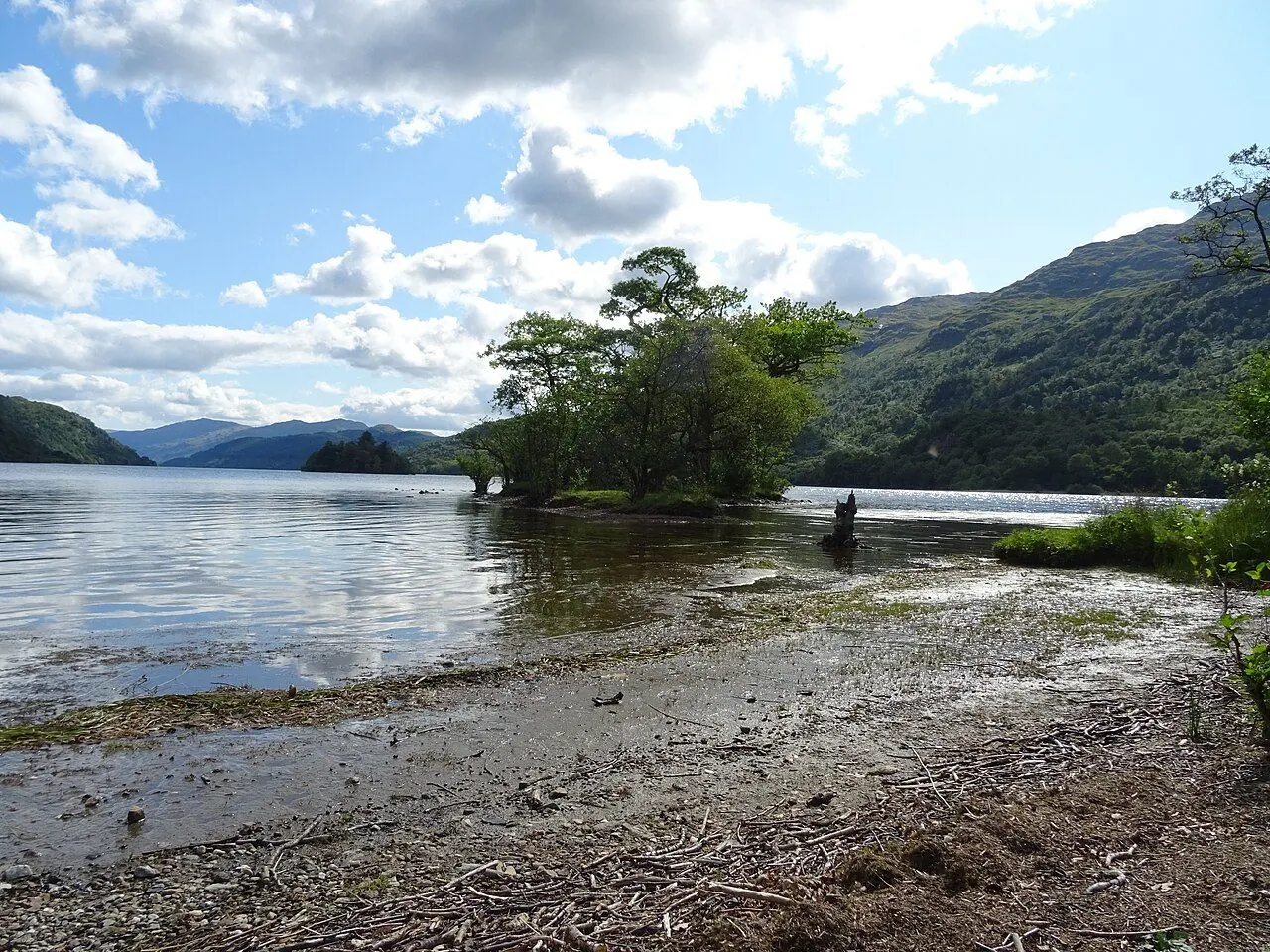
Local rules also apply. In Loch Lomond & The Trossachs National Park, seasonal byelaws cover popular lochshore areas known as camping management zones, where during the restricted season camping is only allowed at campsites or with a camping permit. The zones, dates and permit arrangements are set by the National Park Authority, so check its website before you go.
The rules are different across the border. In England and Wales, the right to roam covers mapped open access land, such as mountains, moors, heaths, downs and registered common land, while most other countryside is reached along public rights of way. Scottish-style access rights do not carry over.
Before you set out, check the Scottish Outdoor Access Code and any local restrictions for the place you are visiting, because the national right sits alongside place-specific limits.