Outdoors
How to Avoid Midges
The Highland midge follows the weather, so a forecast check, a breezy campsite and a head net keep most summer evenings in the hills bearable.
In an emergency in the hills or at the coast call 999: ask for the police and mountain rescue in the hills, the coastguard at the coast. Check the forecast and official advice before you set out.
In this guide
Avoiding midges in the Scottish Highlands rests on three simple things: picking the right time, choosing the right place and bringing the right kit. By checking the midge forecast, pitching somewhere breezy and packing a head net and repellent, you can make a world of difference.
When and where midges bite
The Highland midge, Culicoides impunctatus, is the tiny fly behind most bites in the Scottish Highlands, and only the females bite, as they need blood to develop their eggs. The biting season usually starts in late May, peaks in July and August, and fades through September as numbers decline and the first frosts arrive, though the timing shifts with the weather each year.
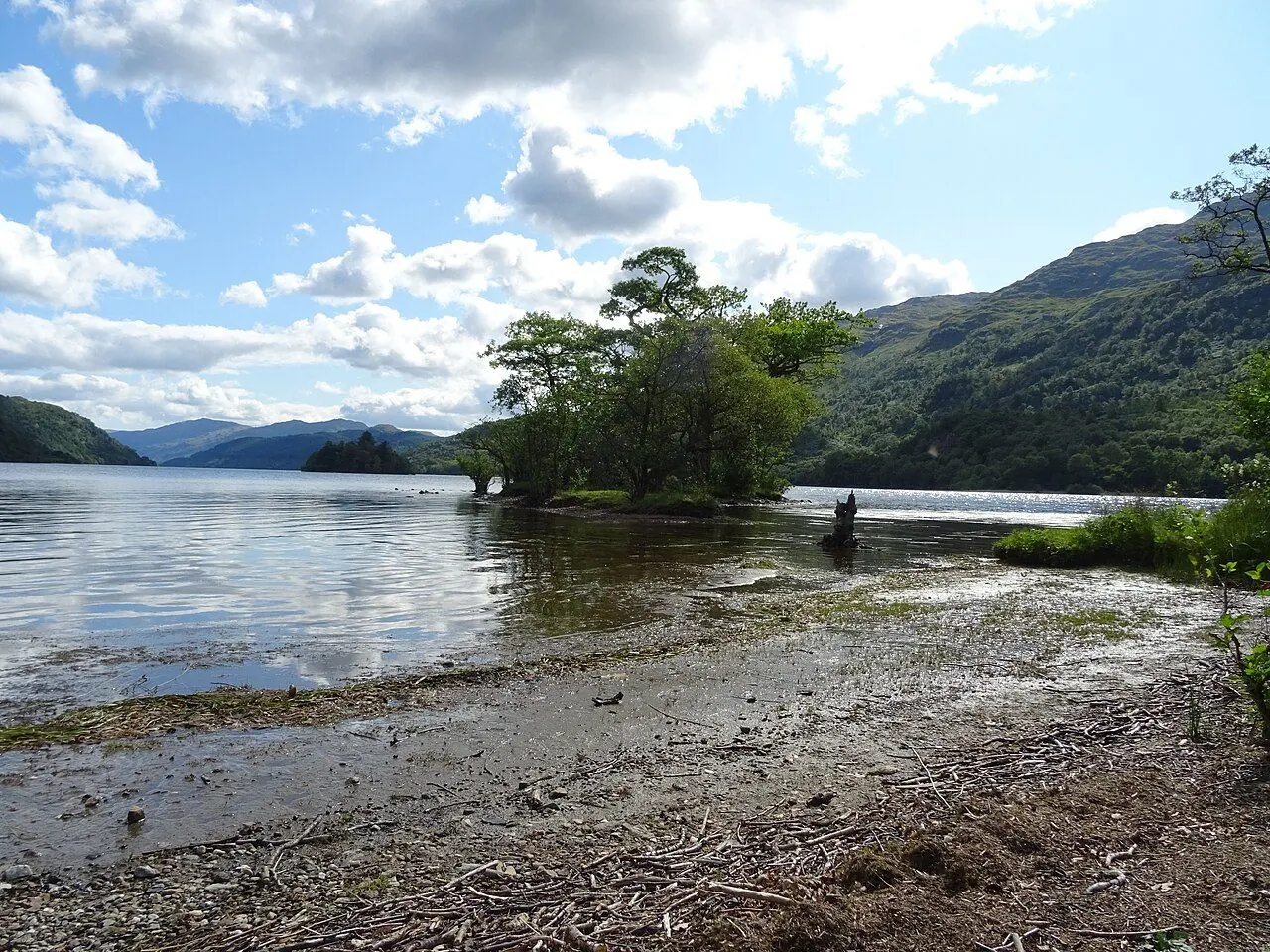
Midges are worst in still, damp, overcast conditions and around dawn and dusk, when light levels are low. They struggle to fly in even a light breeze of around 5 or 6 miles an hour, and few are about on bright, sunny days. They breed in boggy, acidic ground, so wet moorland, woodland edges and sheltered loch shores are classic midge country. A trip in spring or autumn, or a walk timed for the middle of a sunny, breezy day, is your best chance to avoid them.
How to avoid midges: forecast, pitch and kit
The Scottish Midge Forecast gives a daily midge risk rating for areas across Scotland, based on midge population modelling combined with weather data. Check it before you set off and plan walks and camp chores around the calmer, sunnier parts of the day.
When camping, choose an open, exposed pitch where the breeze can reach you, away from boggy ground, dense trees and still water. Keep the tent's inner mesh door zipped shut, especially in the evening, and cook and eat before dusk if you can.
Your kit does most of the work when the air is still:
- a fine-mesh head net worn over a hat
- long sleeves, long trousers and socks over trouser cuffs; light colours help, as females are drawn to dark, moving shapes
- an insect repellent on exposed skin, such as one based on DEET or icaridin (also called picaridin), applied as the label directs
- gloves or midge-proof mesh clothing for long evenings outdoors
Treating midge bites
If you do get bitten, the bites usually cause itchy red bumps that settle within a few days. The NHS advises washing the area with soap and water, holding an ice pack wrapped in a cloth, or a cloth soaked in cold water, on any swollen bite for at least 20 minutes, and trying not to scratch, as that raises the risk of infection. Antihistamines or hydrocortisone cream from a pharmacy can ease itching and swelling.
See a pharmacist if a bite shows signs of infection, such as heat, spreading redness, pain, swelling or pus, and contact NHS 111 if symptoms get worse or do not improve. Call 999 if someone has signs of a serious allergic reaction, such as swelling of the lips or throat, difficulty breathing or dizziness. If you have a health condition, are pregnant or are unsure which treatments suit you, ask a pharmacist or GP before using repellents or medicines.
Midges are part of summer in the Highlands, but a quick look at the forecast, a breezy pitch and a head net in your pocket will keep most evenings bearable.