Outdoors
West Highland Way Guide
Everything a first-timer needs to plan Scotland's best-known long-distance walk, from stage distances and itineraries to baggage transfer and the Devil's Staircase.
In an emergency in the hills or at the coast call 999: ask for the police and mountain rescue in the hills, the coastguard at the coast. Check the forecast and official advice before you set out.
In this guide
The West Highland Way is a 96-mile (154 km) route from Milngavie, on the edge of Glasgow, to Fort William in the Highlands, and most first-timers walk it in five to seven days. The official route site recommends walking south to north, because the easier southern stages prepare you for the more demanding north.
Route basics
The official route is divided into eight named sections. They are handy planning units, but the route site notes they should not necessarily be treated as a day's walk each.
| Section | Distance |
|---|---|
| Milngavie to Drymen | 12 miles / 19 km |
| Drymen to Rowardennan | 15 miles / 24 km |
| Rowardennan to Inverarnan | 14 miles / 22.5 km |
| Inverarnan to Tyndrum | 12 miles / 19.5 km |
| Tyndrum to Inveroran | 9 miles / 14.5 km |
| Inveroran to Kingshouse | 10 miles / 16 km |
| Kingshouse to Kinlochleven | 9 miles / 14.5 km |
| Kinlochleven to Fort William | 15 miles / 24 km |
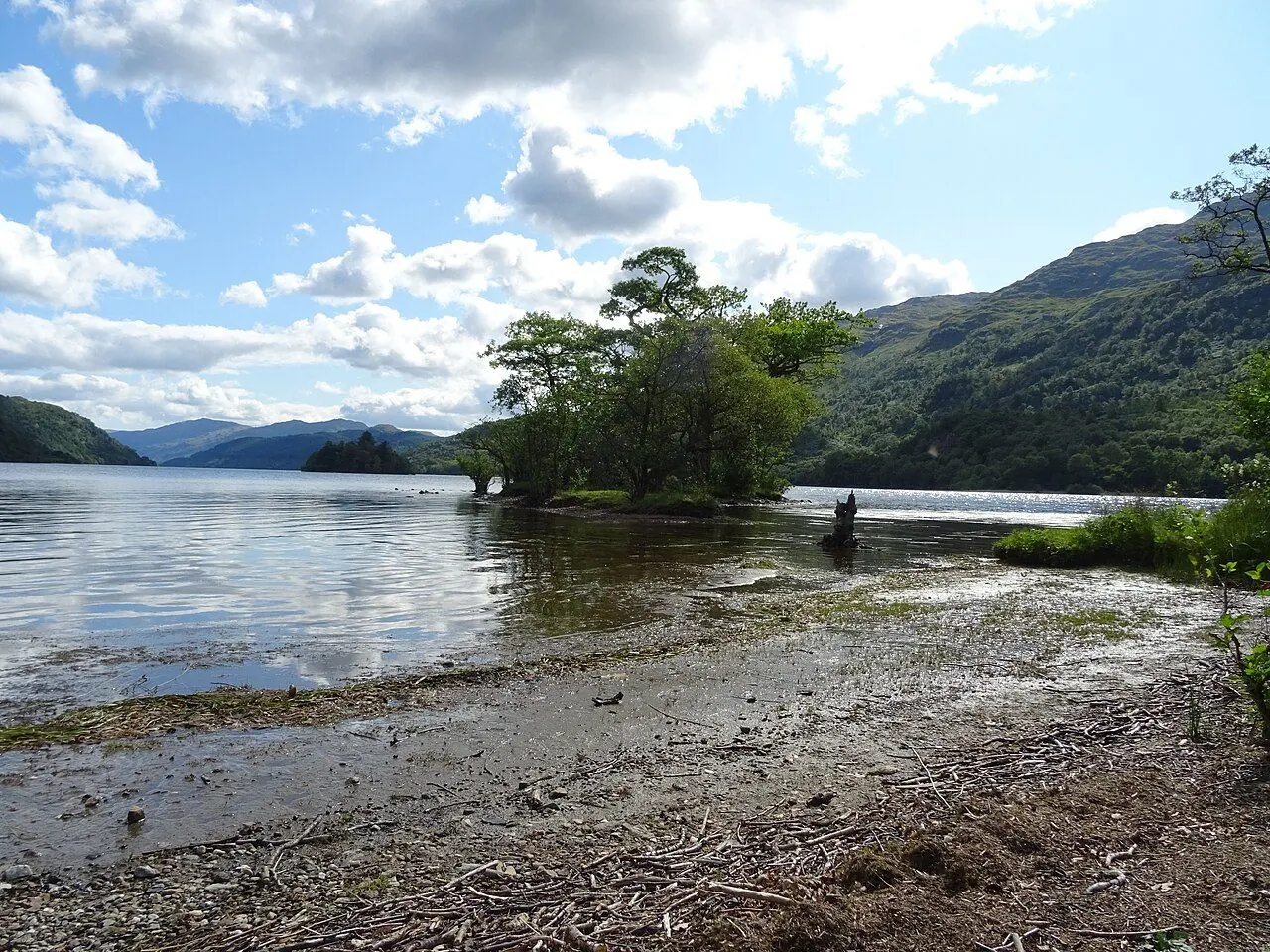
The walk crosses some of Scotland's best-known landscapes. It follows the east shore of Loch Lomond, passes through Tyndrum, crosses the open expanse of Rannoch Moor to Kingshouse at the eastern end of Glen Coe, under Buachaille Etive Mòr, then climbs the zig-zags of the Devil's Staircase from Altnafeadh to the highest point of the Way, at about 550 metres, before dropping to Kinlochleven. Waymarks carry a white thistle in a hexagon, though on some clear stretches there are none.
How first-timers usually break it up
The official site suggests a 5-day itinerary, a 6-day one and two 7-day versions, and says the Way can take as little or as long as you like. Seven days give shorter stages and more time to rest and explore the villages. The site also warns that the rough, rocky path along the northern part of Loch Lomond is slower going than many walkers expect, so allow extra time there.
Planning: bags, beds, timing and midges
The official site lists accommodation and baggage transfer services along the entire route, so you can walk with a light daypack while your main bag is moved between overnight stops. Beds in the smaller places fill early, so book ahead and check current details, availability and prices directly with the providers.
Spring and early autumn are popular times to go. From late May to September, the Highland midge is a real nuisance at dawn and dusk and in still, damp weather, especially around lochs and campsites, so a head net and insect repellent are worth packing.
Prepare with some long training walks in the boots you will wear, carrying a loaded pack, on consecutive days. Pack waterproofs and warm layers for every stage, whatever the forecast, and check the Met Office forecast before each day. If you have a heart or joint condition, a health condition or are pregnant, speak to a GP before taking on a multi-day walk, and stop and get help if you have chest pain, dizziness or unusual breathlessness. In an emergency on the high or remote sections, call 999 and ask for Police, then Mountain Rescue.
Pick an itinerary that suits your fitness, book beds and bag transfer early, and walk south to north: the West Highland Way rewards a steady pace more than a fast one.