Outdoors
Munro Bagging for Beginners
From Sir Hugh Munro's 1891 tables to your first summit: the basics of the list, sensible first hills and the safety habits that matter most.
In an emergency in the hills or at the coast call 999: ask for the police and mountain rescue in the hills, the coastguard at the coast. Check the forecast and official advice before you set out.
A Munro is a Scottish mountain over 3,000 feet (914.4 m) on the Scottish Mountaineering Club's official list, which currently counts 282 of them, and Munro bagging simply means climbing them one by one. The best way to start is on a well-trodden hill in good weather, with a map, a compass and a plan.
Munros, in plain English
The list began in 1891, when Sir Hugh Munro published his tables of Scottish mountains over 3,000 feet. That doesn't mean any random 3,000-footer is a Munro: only those on the official list count, and the total changes now and then as hills are resurveyed or reclassified. Lesser summits over 3,000 feet that are not counted as separate mountains are known as Munro Tops.
Anyone who has climbed all the Munros is known as a "compleator", the traditional spelling, and thousands of people have registered their compleation with the Scottish Mountaineering Club. The Munros are not the only list. Corbetts are Scottish hills between 2,500 and 3,000 feet, and Grahams are between 2,000 and 2,500 feet, each with a minimum drop on all sides. They are separate categories, not "smaller Munros", and many hillwalkers go on to tackle them too.
Good first Munros
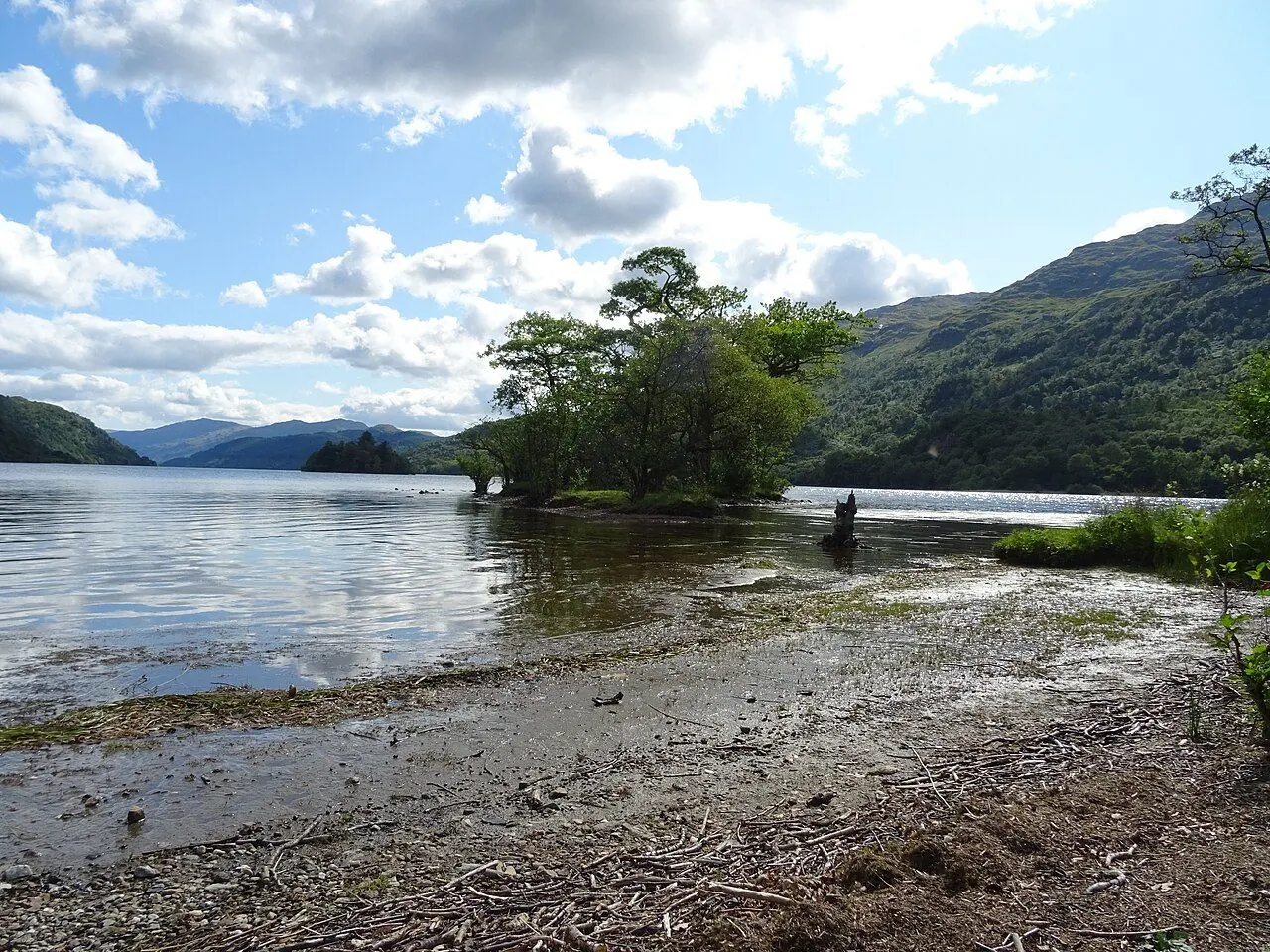
There is no official list of beginner Munros, but two hills often come up as first ascents. Ben Lomond (974 m) is the most southerly Munro and rises above the east shore of Loch Lomond. The main path from Rowardennan is well made and popular, about 12 km (7.5 miles) there and back, and takes most walkers the best part of a day.
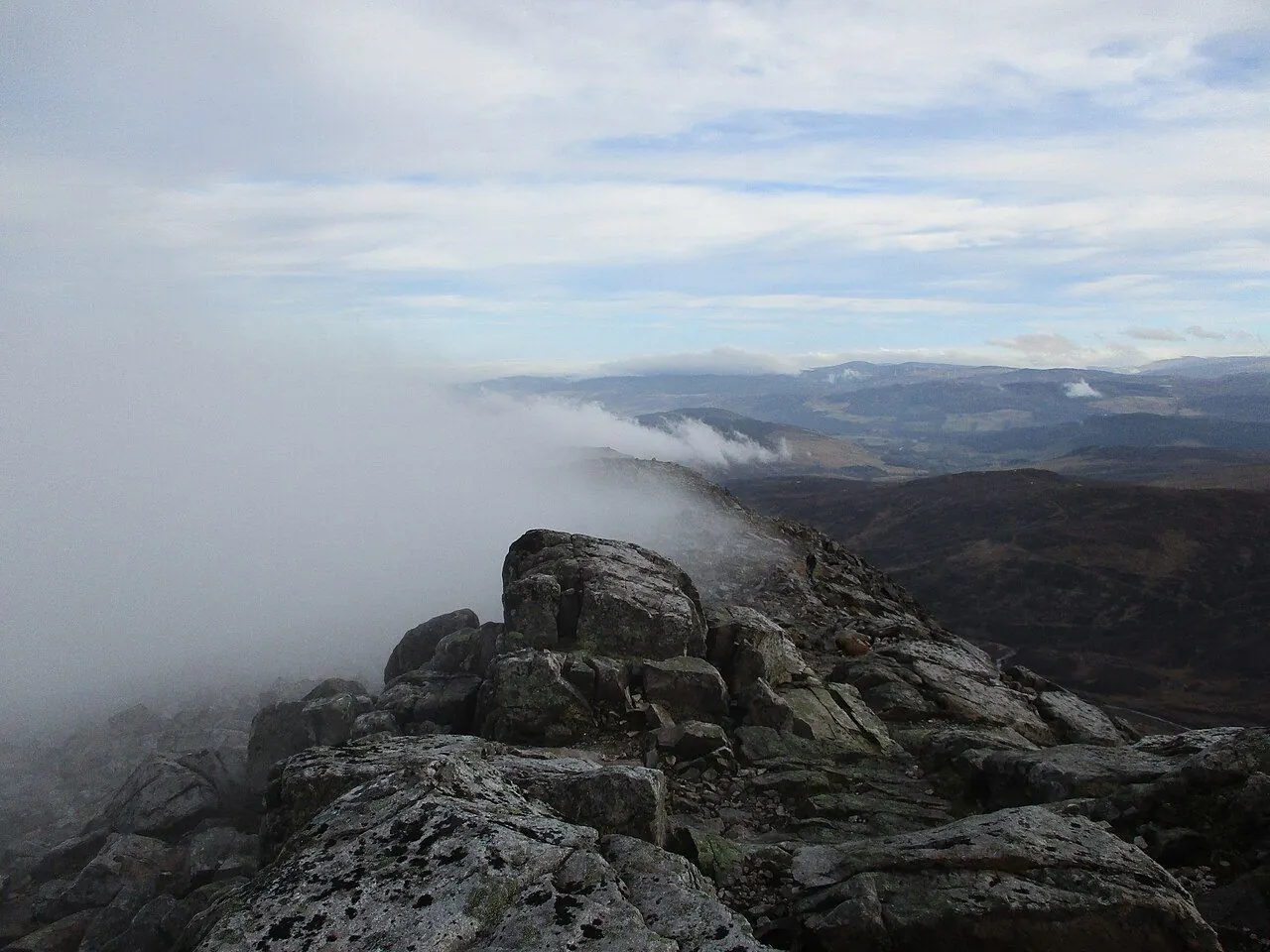
Schiehallion (1,083 m) in Perthshire is the other common suggestion. From the Braes of Foss car park, a well-built path climbs the eastern flank of the hill, but the final stretch to the summit crosses rough quartzite boulders that are slow going and hard on the ankles. Neither is a stroll: every Munro is a real mountain, and even popular routes can turn serious in mist, wind or snow.
Kit, weather and when to turn back
You'll need the basics, even on a summer day:
- walking boots with good grip, waterproof jacket and trousers, and extra warm layers, hat and gloves
- a map of the area and a compass, and the skills to use them, since phone signal and batteries fail
- enough food and water for the whole day
- a head torch, whistle, survival bag, first aid kit and a charged mobile phone
Check a mountain-specific forecast, such as the Met Office mountain forecast or the Mountain Weather Information Service, not just the forecast for the nearest town, as conditions on the summit are often far colder and windier. Leave your route and expected return time with someone you trust, so they can raise the alarm if you are overdue. Set a turn-back time before you start and stick to it if the weather worsens, the path is harder than expected or you are behind schedule; the hill will still be there another day.
In an emergency in the hills, call 999 and ask for Police, then Mountain Rescue. Where voice signal is poor, a text to 999 can work, but only if you have registered your phone in advance by texting "register" to 999. If you have a heart or joint condition, a health condition or are pregnant, speak to a GP before taking on a big hill day, and stop and get help if you have chest pain, dizziness or unusual breathlessness.
Munro bagging is a list-based challenge with a traditional finish line, and beginners do best starting with a well-known route in settled weather, building skills with each hill. Check current route and safety advice from Mountaineering Scotland before setting off.