Walking & Running
Couch to 5K Explained
Three runs a week, short walk-run intervals and a steady build to half an hour of running: how the NHS beginner plan works week by week.

General information, not medical advice. If you have a health condition, are pregnant or notice chest pain, dizziness or unusual breathlessness, speak to a GP or health professional before you start or carry on.
In this guide
The NHS Couch to 5K running plan is a free, nine-week programme designed to take complete beginners from the couch to running for 30 minutes without stopping. It schedules three runs each week, with rest days in between, and builds up gradually through walk-run intervals.
How the nine weeks build up
Each run starts with a 5-minute brisk walk to warm up. In the first week, you alternate 1 minute of running with 1 minute 30 seconds of walking, and the intervals then lengthen week by week. All three runs in a week follow the same pattern until week 5, when the plan starts to join the running blocks together.
| Week | What the runs look like |
|---|---|
| 1 | 1 minute running, 1 minute 30 seconds walking, repeated |
| 2 | 1 minute 30 seconds running, 2 minutes walking, repeated |
| 3 | Runs of 1 minute 30 seconds and 3 minutes, with walking breaks |
| 4 | Runs of 3 and 5 minutes, with walking breaks |
| 5 | Longer runs, ending with a first 20-minute run without walking |
| 6 | Longer runs, ending with a first 25-minute run |
| 7 | 25 minutes of running |
| 8 | 28 minutes of running |
| 9 | 30 minutes of running |
It's perfectly fine to repeat a run or a week if you need extra time before moving on, and the NHS says you can take longer than nine weeks at your own pace. The exact timings are on the official NHS Couch to 5K running plan page.
The app, kit and where to run
The free NHS Couch to 5K app guides you through each session with a trainer's voice in your headphones, telling you when to run and when to walk, and offers a choice of trainers. Speak to a GP before starting if you have a health condition, heart or joint problems, are pregnant, or are worried about your health.
Wear whatever feels comfortable to move in, along with running shoes that support your feet, and a supportive bra if you need one. You can run anywhere that feels safe, from a park to a pavement, or do your runs on a treadmill instead.
Common problems and what comes next
When breathlessness strikes, it's a sign you're working hard. Slow down or walk if you're struggling to talk, and stop and seek advice if you feel dizzy or sick or get chest pain.
Shin pain, felt on the front of the leg below the knee and often called shin splints, is common in new runners. The NHS suggests wrapped ice on the area for the first few days and a break of a few weeks before starting again slowly. See a GP or physiotherapist if the area is swollen, the pain is severe or it does not improve in a few weeks.
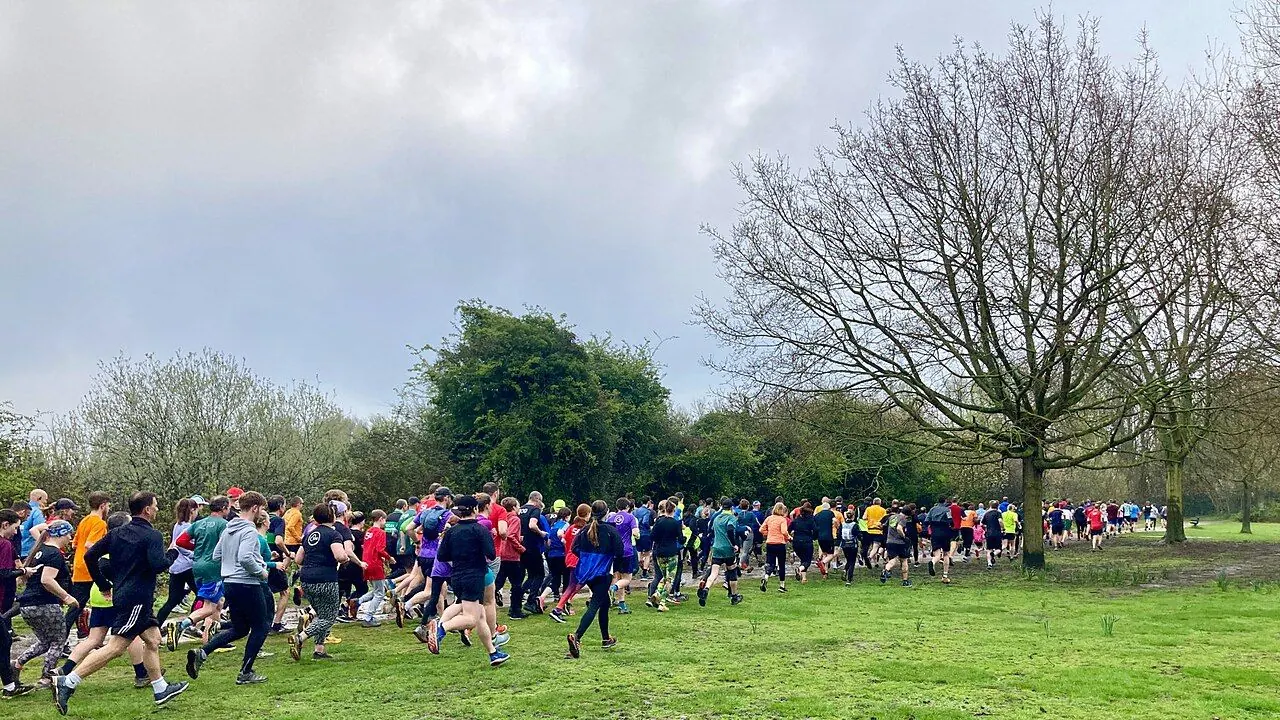
The NHS Couch to 5K programme doesn't need to end after nine weeks. The NHS suggests parkrun as a next step: a free, weekly 5km event where people walk, run or jog together. Check parkrun.org.uk for your nearest event and how it works.