Get Active
Chair Exercises for Seniors
Seven gentle moves done from a sturdy chair, from chest stretches to sit-to-stand, to keep joints moving and build the strength that helps prevent falls.
General information, not medical advice. If you have a health condition, are pregnant or notice chest pain, dizziness or unusual breathlessness, speak to a GP or health professional before you start or carry on.
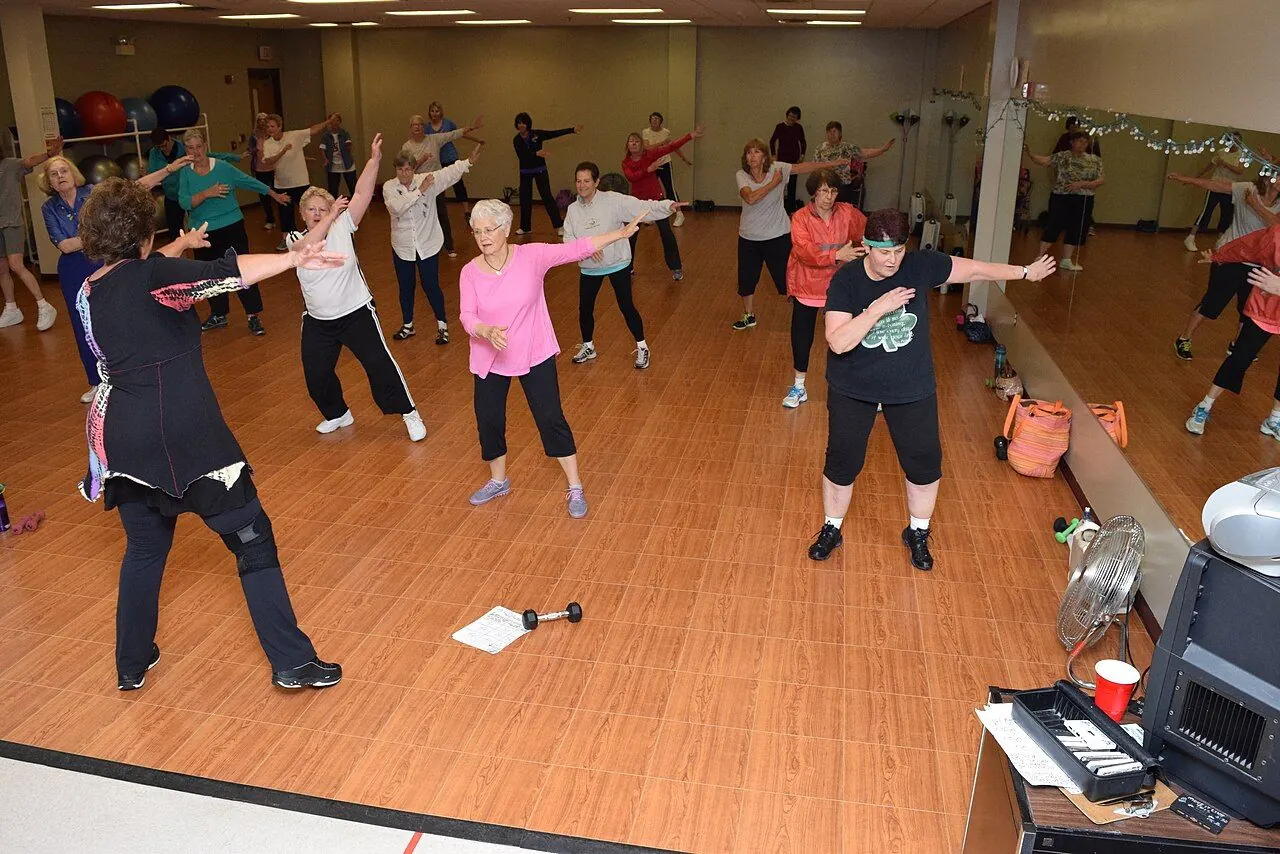
Older adults, or anyone who needs a gentler way to move, can follow the NHS sitting exercises using a solid, stable chair, doing them at least twice a week. The NHS says to use a chair without wheels, sit with your feet flat on the floor and knees bent at right angles, and avoid chairs with arms, which restrict movement.
Choosing and setting up the chair
The chair matters as much as the moves. A simple dining or kitchen chair with a straight back usually works well. Check that it does not rock, slide or have wobbly legs, and place it on a firm floor rather than a loose rug. Sit upright, away from the back of the chair unless an exercise says otherwise, and keep your feet flat. Wear loose, comfortable clothing, keep water nearby and try not to hold your breath during any move.
The seated exercise list
The NHS sitting exercises page describes five gentle moves, and NHS exercise sheets add an arm raise and a sit-to-stand for strength:
- Chest stretch: sit upright and away from the back of the chair, pull your shoulders back and down, extend your arms out to the side and gently push your chest forward and up until you feel a stretch. Hold for 5 to 10 seconds and repeat 5 times.
- Upper-body twist: cross your arms and reach for your shoulders, then turn your upper body to one side as far as is comfortable, without moving your hips. Hold for 5 seconds, then turn to the other side. Do 5 times each side.
- Hip marching: sit upright without leaning on the back of the chair and hold the sides. Lift one leg with the knee bent as far as is comfortable, place the foot down with control, then swap legs. Do 5 lifts with each leg.
- Ankle stretch: hold the side of the chair and straighten one leg with the foot off the floor. Point your toes away from you, then back towards you. Do 2 sets of 5 stretches with each foot.
- Arm raises: sit upright with your arms by your sides. With palms facing forwards, raise both arms out to the side and up as far as is comfortable, then return, keeping your shoulders down and arms straight. Breathe out as you raise your arms and in as you lower them. Repeat 5 times.
- Neck rotation: sit upright with your shoulders down, looking straight ahead. Slowly turn your head towards one shoulder as far as is comfortable, hold for 5 seconds and return. Do 3 rotations each side.
- Sit-to-stand: sit on the edge of the chair, feet hip-width apart, and lean slightly forwards. Stand up slowly using your legs, not your arms, then sit back down with control. Do 5 repetitions; slower is better. Keep a hand near a sturdy surface if your balance is unsteady.
Why these seated moves matter
The NHS falls guidance says older adults should be active every day and do activities that improve strength and balance at least twice a week. Exercises that improve strength, balance and flexibility help make you stronger and feel more confident on your feet, which matters because the NHS lists muscles getting weaker with age among the common causes of falls.
The seated routine is a gentle first step towards building strength and mobility. Start with fewer repetitions if you need to, then progress to standing strength and balance exercises as you build confidence. Stay consistent; even a short, gentle routine done regularly adds up over time.
This simple routine is not a complete answer to preventing falls. If you have a health condition, heart or joint problems, have had a fall, or are unsure whether these exercises suit you, check with a GP or physiotherapist first. Stop straight away if you feel pain, chest pain, dizziness or unusual breathlessness, and seek advice.