Get Active
How to Warm Up
Why a few minutes of active movement beats stretching cold, how long to spend warming up, and how to slow down safely once you have finished.
General information, not medical advice. If you have a health condition, are pregnant or notice chest pain, dizziness or unusual breathlessness, speak to a GP or health professional before you start or carry on.
In this guide
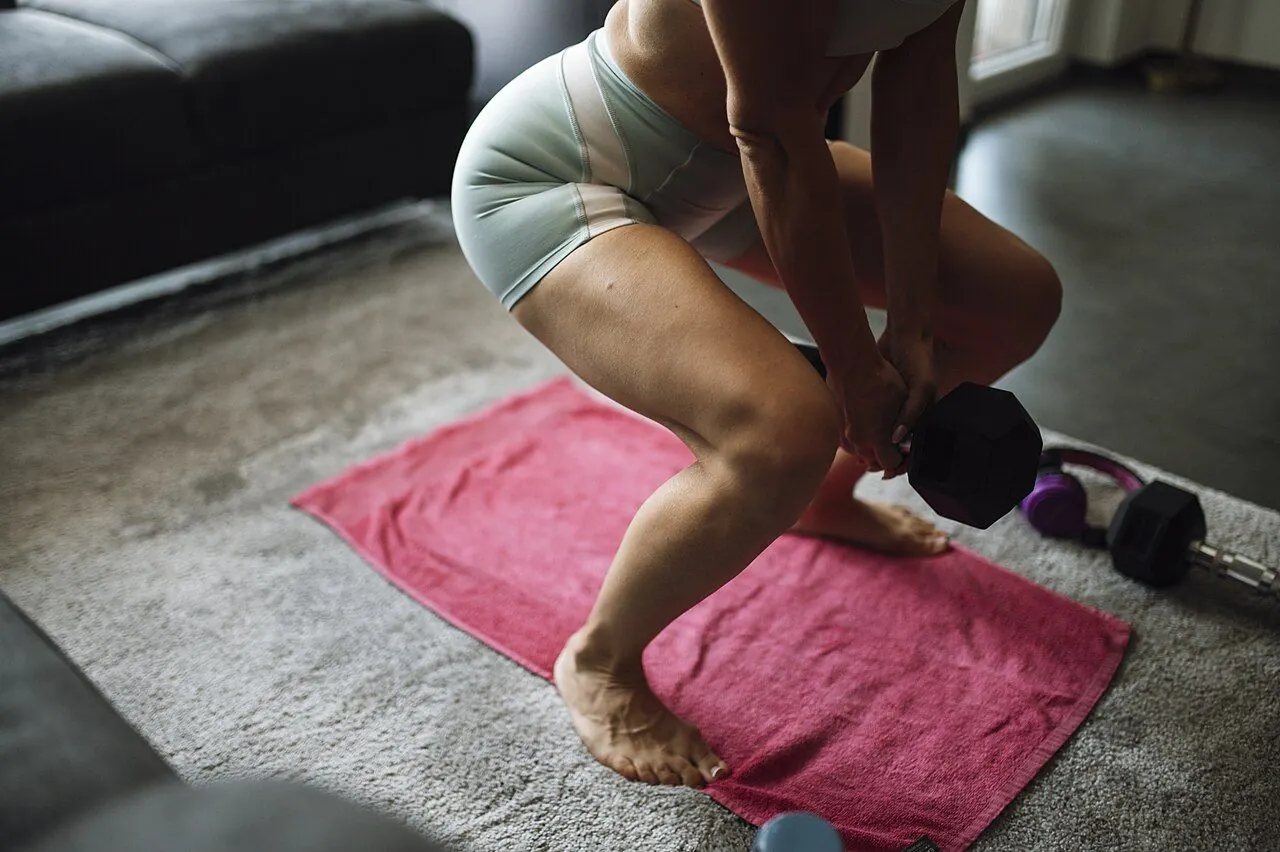
A warm-up before exercise should be active, not static, and feel like a gentle ramp-up of movement lasting at least 6 minutes, and longer before hard or sporty sessions. Save static stretches for the cool-down at the end, when your muscles are still warm.
What a warm-up does and how long it takes
A proper warm-up gradually raises your heart rate, breathing and body temperature, which helps get your joints, muscles and tendons ready for activity. Jumping straight into hard exercise cold, especially after a long day at a desk, gives your body no time to adjust. NHS Lothian's sports-injury advice for young people adds that a warm-up can improve performance and that people new to an exercise need a longer one.
The NHS sets out a simple warm-up routine that takes at least 6 minutes, and suggests warming up for longer if you feel the need. NHS inform's injury-prevention guidance allows around 10 to 15 minutes before sport, and NHS Lothian suggests 5 to 10 minutes. As a rough guide, the shorter end suits a brisk walk or easy home workout; the longer end suits running fast, team sports and anything explosive.
Dynamic moves, not static stretches
Warm-up moves should be dynamic: controlled movements that take your joints through their range, rather than stretches held still. NHS Lothian advises against static stretches in the warm-up and says they are best left until after exercise. The key is to start with small movements, then work your way up to larger ones.
A simple warm-up for running or sport, based on NHS inform and NHS Lothian examples:
- 3 to 5 minutes of marching on the spot, brisk walking or easy jogging
- 2 to 5 minutes of dynamic moves: knee lifts, bottom kicks, walking lunges, side stepping, leg swings, and arm circles or swings, about 6 to 8 repetitions of each
- a minute or two of sport-specific practice, such as walking drills for running, passing a ball for football, or light swings for racquet sports
Cooling down and the day after
Cooling down should happen straight after your activity, as NHS inform advises. It helps reduce your heart rate slowly. Slow your movements, but don't stop dead: go from running to a slow jog and then from a slow jog to a walk. A cool-down should take around 5 to 10 minutes. Then stretch the muscles you have used while they are still warm. Guidance from Cambridge University Hospitals suggests holding each gentle stretch for at least 10 seconds, and NHS Lothian's flexibility advice goes up to 30 seconds. Stretches should be slow and gentle, never bouncy.
Some muscle soreness a day or two after new or harder exercise is common. Known as delayed onset muscle soreness, or DOMS, it is a constant aching that can last up to a week and usually becomes milder as your body gets used to the activity. Sharp or sudden pain, swelling or pain that does not ease is different: stop, rest and get it checked. Stop straight away and seek medical help if you get chest pain or pressure, severe or unexplained breathlessness, or dizziness. If you have a health condition, heart or joint problems, or are pregnant, speak to a GP or health professional before starting a new activity.
It's not too much to ask. Give the warm-up and the cool-down the same attention as the workout itself: a few minutes of active movement before, a gradual slow-down after, and gentle stretches while you are still warm.
Sources checked
- nhs.uk/live-well/exercise/how-to-warm-up-before-exercising
- nhsinform.scot/illnesses-and-conditions/muscle-bone-and-joints/how-to-reduce-your-risk-of-injury-from-exercise-or-physical-activity
- apps.nhslothian.scot/files/sites/2/Preventing-Sports-Injury-RHCYP-V4.0.pdf
- cuh.nhs.uk/patient-information/cardiac-rehabilitation-home-exercise-guidelines