Sport
What Is Walking Football?
No running, no contact and the ball kept low: the slower form of football that brings older players and returners back into the game.
General information, not medical advice. If you have a health condition, are pregnant or notice chest pain, dizziness or unusual breathlessness, speak to a GP or health professional before you start or carry on.
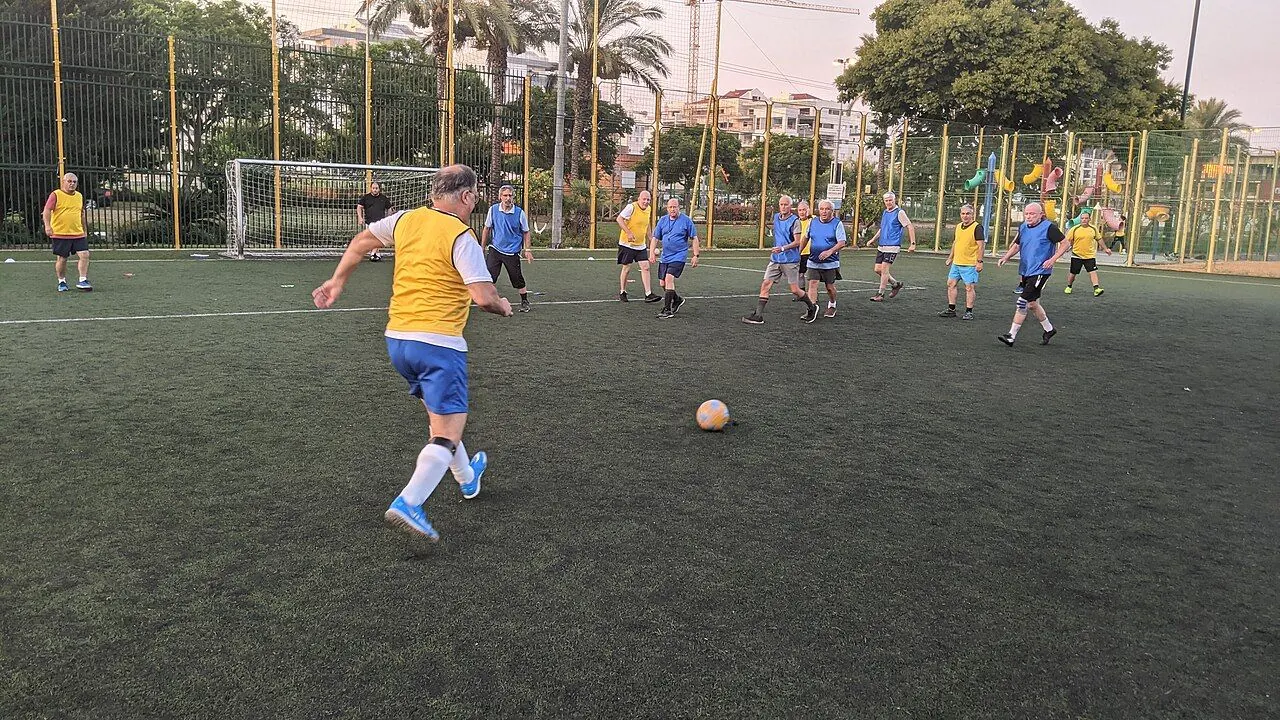
Walking football is a slower version of the game in which nobody is allowed to run and physical contact is banned. It was designed for older players and suits anyone returning after injury or looking for a gentler way back into football.
The Walking Football Association dates the modern game to 2011 and says it was conceived for men over 50 and women over 40, though players now range well into their 70s and 80s. It is small-sided, played on small pitches with small goals, indoors, on 3G or 4G artificial grass or on natural grass.
The Main Rules
Any game of walking football plays out at walking pace, with no running allowed at any point. The Walking Football Association says this includes running with or without the ball, and jogging. You can walk as fast as you like, but walking means "one foot must be in contact with the ground at all times".
- No running: a player seen running concedes an indirect free kick. Under Walking Football Scotland's laws, three not-walking offences by the same team lead to a penalty.
- No contact: tackling is allowed, but it must be made without contact.
- Ball height: the ball must stay low. The Walking Football Association sets the limit at head height; Walking Football Scotland uses crossbar height.
- No offside, and free kicks are indirect.
- Team size: games are normally 6-a-side.
In England, The FA publishes official Laws of the Game for walking football and recommends them to all organisers, while the Walking Football Association publishes its own laws. In Scotland, Walking Football Scotland plays under the standard IFAB Laws of the Game with supplementary rules: no running, no contact, no unlimited touches and no offside. The game may be played with or without barriers around the pitch. Because rule sets differ, check which one your local session or league uses.
Why It Suits Older Players
The Walking Football Association says the slower pace and reduced contact lower the threat of pain, discomfort and injury, which lets people who have loved the game all their lives play again safely. It also points to studies showing the game can help with mild to moderate high blood pressure and gives a good aerobic workout, alongside real mental and social benefits from being part of a team.
If you have a health condition, heart or joint problems, are pregnant, or get pain, chest pain, dizziness or unusual breathlessness during play, stop and speak to a GP or health professional before carrying on.
How to Find a Session
In England, use the Walking Football Association's club directory, or contact your County FA for local sessions and referee courses. In Scotland, Walking Football Scotland lists affiliated clubs by local authority area on its find-a-session page, and many council leisure services run their own sessions. Most clubs welcome beginners; ring or email the contact listed before your first visit to check times, costs and what to wear.